Rack Cable Management — Vertical and Horizontal Cable Managers
Vertical and horizontal cable managers, rings, trays and brush entries for 19-inch cabinets.
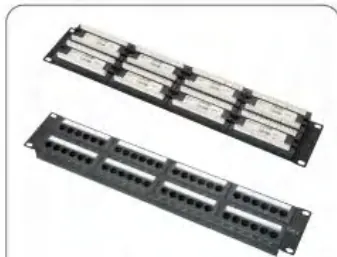
Rack cable management includes vertical managers, horizontal 1U/2U managers, brush entries and cable rings. Vertical managers fit 600 mm and 800 mm cabinets, and horizontal managers use 1U or 2U of rack space.
Last reviewed: 2026-11-07
Cable density is often the real limit in a network rack. Vertical managers on both sides and horizontal managers between switches and patch panels keep the rack serviceable.
Fiber needs a larger bend radius than copper; keep fiber in a separate manager where possible.
Best for
- Dense network and patching racks
- Fiber and copper separation projects
- Cabinets with frequent moves and changes
Key specifications
Cable management selection
| Item | Function | Typical use |
|---|---|---|
| Vertical manager | Route between U positions | Rack sides |
| Horizontal manager | Route between switches | Switch/patch rows |
| Cable ring | Support and bend radius | Rear cabling |
| Brush entry | Seal and guide cables | Top/bottom entry |
How to choose
Count cables
Estimate copper and fiber counts and their direction.
Separate fiber
Use a dedicated manager and respect bend radius.
Keep airflow clear
Route cables along the sides, not across the server exhaust.
Frequently asked questions
03 Q&A Why is cable management important?
Can fiber and copper share a manager?
Do I need vertical managers on both sides?
Related pages
Send us your rack schedule or floor plan
Share cabinet quantities, U heights, power loads and the destination port. Our engineering team will confirm the configuration, drawing and production lead time.
Request a quotation