Rack Power Distribution Unit
1U or 0U power distribution with optional breaker, SPD and metering.
A rack PDU distributes 220–250 V AC power inside a cabinet, typically at 10 A, 16 A or 32 A input with 6 to 12 outlets. A 16 A single-phase PDU delivers about 3.5 kW; a 32 A unit delivers about 7 kW. Choose 1U horizontal for small cabinets and 0U vertical for 20 to 30 outlets and metering.
Last reviewed: 2026-11-07
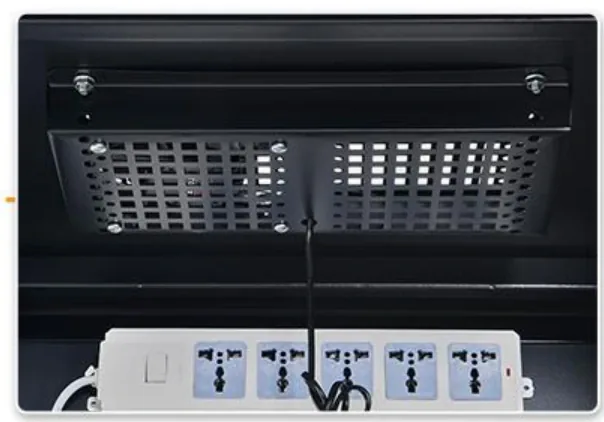
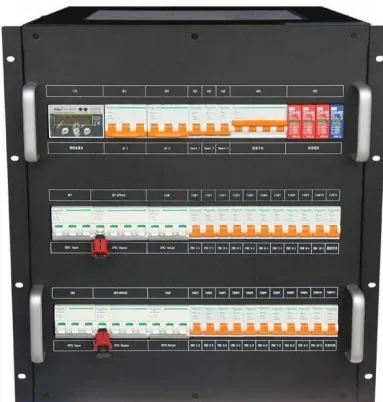
The JZ-PDU Series distributes a single upstream feed to the outlets used by switches, servers and storage. Units are built in aluminum extrusion with 10 A, 16 A or 32 A inputs and project-specific outlet combinations.
Horizontal 1U units mount in the rack; vertical 0U units mount on the side rails and leave rack units free. Options include circuit breakers, surge protection, local current display, sequential start-up and remote monitoring over SNMP or Modbus TCP.
- 10 A / 16 A / 32 A input options
- 1U horizontal or 0U vertical mounting
- IEC C13/C19 and local outlet standards
- Optional circuit breaker and SPD
- Optional current display and remote metering
- Aluminum extrusion housing
Technical specifications
| Input | 10 A / 16 A / 32 A |
|---|---|
| Voltage | 220–250 V AC, 50/60 Hz |
| Outlets | 6–12, mixed types |
| Mounting | 1U horizontal / 0U vertical |
| Housing | Aluminum alloy |
| Options | Breaker, SPD, meter, sequential start |
Typical applications
- 01 Server cabinets and network racks
- 02 Edge cabinets with mixed equipment
- 03 Laboratories and test racks
- 04 Control rooms and console power
What a rack PDU does
A rack PDU takes one building power feed and distributes it to servers, switches, storage and other rack equipment. It provides the right outlet types, overcurrent protection, surge protection and, in metered or switched models, remote monitoring and outlet-level control.
PDUs are mounted horizontally in 1U of rack space or vertically at the rear of the cabinet in 0U. A cabinet usually has two PDUs on separate feeds so equipment can survive a single feed failure or a maintenance bypass.
Input current, voltage and outlet count
The common input ratings are 10 A, 16 A and 32 A at 220–250 V AC, 50/60 Hz. A 16 A single-phase feed provides about 3.5 kW; a 32 A feed provides about 7 kW. For higher loads, use a three-phase PDU or multiple single-phase PDUs on separate circuits.
Outlet count depends on the cabinet layout. A 1U horizontal PDU usually has 6 to 8 C13 outlets; a 0U vertical PDU can have 20 to 30 C13 outlets plus 4 to 6 C19 outlets. Confirm the plug type, outlet type and breaker rating for the destination country.
Metering, switching and protection
A basic PDU has a breaker and outlets. A metered PDU adds a local display for current, voltage and power; a monitored PDU adds remote SNMP or Modbus access; a switched PDU adds outlet-level on/off and restart. For colocation and remote sites, switched PDUs reduce truck rolls.
Protection options include MCB or RCBO breakers, surge protective devices (SPD), over-temperature alarms and sequential start. Sequential start powers outlets in a timed sequence after a restart, which avoids the inrush current that can trip the upstream breaker.
Mounting and cable management
A 1U horizontal PDU mounts in the 19-inch frame and is usually placed at the bottom or top of the cabinet. A 0U vertical PDU mounts on the rear side rail or the cabinet frame and keeps the rear cable area clear. Allow space for the input cable bend radius and the breaker access.
Use separate PDUs on A and B feeds for redundant equipment. Label every outlet and cable, and keep power cables away from data cables. For high-density cabinets, use a PDU with outlet-level metering to identify hot spots and balance the load.
Selection, packing and delivery
Select the PDU by input current, outlet type and count, metering level, mounting format and redundancy. Add 20% to 30% headroom above the calculated load. For a 42U server cabinet with 6 kW of IT load, two 32 A PDUs on separate feeds are a common configuration.
PDUs ship in a carton with mounting brackets and a manual. Typical lead time is 15 to 20 working days after drawing approval, with 10 units as a common minimum order for custom configurations. Confirm the plug type and the local electrical code before ordering.
Rack PDU reference specifications
| Item | Typical value | Notes |
|---|---|---|
| Input | 10 A / 16 A / 32 A | Single-phase |
| Voltage | 220–250 V AC, 50/60 Hz | Confirm local supply |
| Outlets | 6–12 (1U) / 20–30 (0U) | C13 and C19 |
| Power at 16 A | About 3.5 kW | 220–250 V |
| Power at 32 A | About 7 kW | 220–250 V |
| Mounting | 1U horizontal / 0U vertical | 19-inch frame |
| Housing | Aluminum alloy | Black anodized |
| Protection | MCB / RCBO / SPD | By model |
| Metering | Basic / metered / monitored | Local or remote |
| Switching | None / outlet-level | Remote restart |
| Ingress protection | IP20 | Indoor use |
| Standard | IEC 60320 outlets | C13 / C19 |
Configuration options
| Option | Choices | Typical use |
|---|---|---|
| Format | 1U / 0U | Small vs dense cabinets |
| Input | 10 A / 16 A / 32 A | By load |
| Outlets | C13 / C19 / mixed | Servers and switches |
| Metering | None / local / remote | O&M requirement |
| Switching | None / per outlet | Remote restart |
| Breaker | MCB / RCBO | Local code |
| SPD | Yes / no | Lightning-prone sites |
| Sequential start | Yes / no | Inrush control |
Packing and delivery reference
| Item | Typical value | Notes |
|---|---|---|
| Packing | Carton | Brackets included |
| Added weight | 1–4 kg | By model |
| Container quantity | About 1,000–2,000 units per 40HQ | Carton size |
| Lead time | 15–20 working days | After drawing approval |
| Minimum order | 10 units | Custom configurations |
| Warranty | 2 years | Standard terms |
Questions buyers ask
09 Q&A Can the PDU be customised for my outlet mix?
Is a 32 A PDU supplied with a plug?
Can I monitor energy per outlet?
What is the difference between a 1U and 0U rack PDU?
How much power can a 16 A rack PDU supply?
Do I need a metered or switched PDU?
Can a rack PDU be used with a UPS?
What outlets are standard on a rack PDU?
What is sequential start on a PDU?
Related products
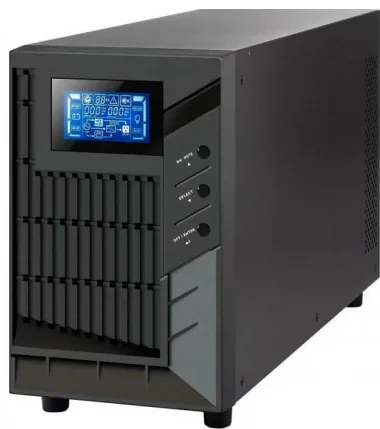 JZ-UPS Series Modular UPS System 50–1200 kVA modular online UPS for centralized power rooms. View details
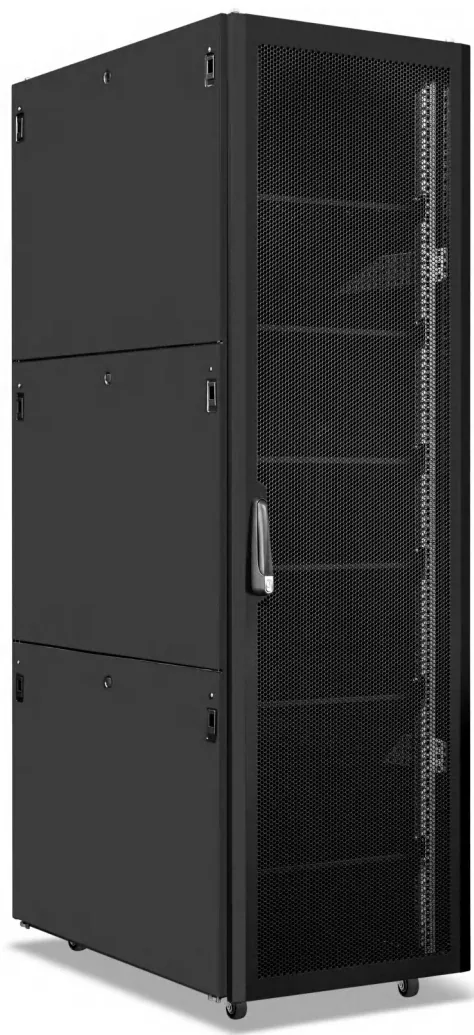 JZ-SC Series 42U Server Cabinet A 1200 mm deep, high-load frame for rack servers and GPU nodes. View details
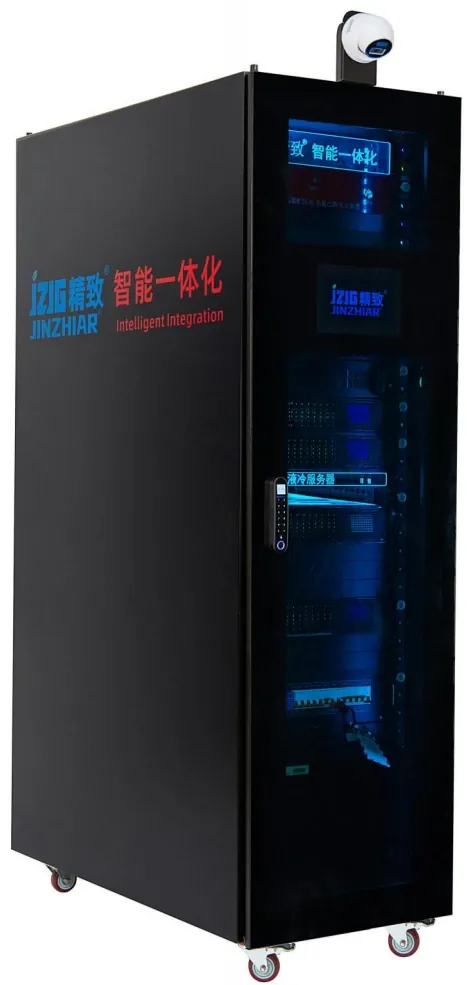 JZ-IDC Series 42U Integrated Micro Data Center Cabinet A factory-integrated 42U room with cooling, UPS, fire and monitoring. View details
Need this configured for your project?
Send the rack elevation, power load and quantity. We will confirm dimensions, outlet types and lead time.
Get a Quote