Telecom & 5G Sites
Outdoor cabinets and power for radio and access networks.
Telecom and 5G sites use IP55 outdoor cabinets from 6U to 42U, with 300 W to 3 kW cooling and optional battery compartments. Standard models ship in 20 to 30 working days, with pole, plinth or wall mounting.
Last reviewed: 2026-11-07
Telecom sites combine radio equipment, transmission gear, batteries and power distribution in a small footprint. Cabinets must reject heat, resist weather and allow rapid maintenance access.
RackSource supplies outdoor cabinets, wall-mount enclosures and rack PDUs for 5G, fixed wireless and fiber access sites, with cooling selected for the local climate.
What this environment demands
- —Rain, dust, salt spray and solar gain
- —Battery heat and limited maintenance windows
- —Remote sites with unreliable power
- —Fast roll-out across many sites
How RackSource approaches it
- —Double-wall insulated outdoor cabinets
- —Fan, heat exchanger or air-conditioner cooling
- —Battery compartments with separate ventilation
- —Standard footprints for repeatable site design
Typical deployment data for this application
Telecom sites range from indoor distribution rooms to outdoor 5G cabinets. Outdoor equipment must handle wide temperature swings, dust, humidity and lightning exposure. -48 V DC power, IP55 enclosures and remote alarms are common requirements in this segment.
| Metric | Typical industry range | Design note |
|---|---|---|
| Form factor | 6–42U wall/floor; outdoor double-wall cabinet | Outdoor cabinets often use sun shields, insulation and filtered ventilation. |
| Load | 1–5 kW typical; 5–10 kW at aggregated sites | Confirm DC power, breaker capacity and future radio equipment. |
| Cooling | Passive vent, heat exchanger or cabinet AC | Heat exchangers suit dusty sites; cabinet AC is used for higher heat loads. |
| Power | -48 V DC; AC option; dual feed | Verify surge protection, grounding and battery backup. |
| Environment | -40 to +55 °C; IP55; salt-spray option | Coastal and roadside sites need corrosion protection and sun shielding. |
| Monitoring | Door, temperature, humidity and power alarms | Remote alarms are typically routed to the network operations centre. |
Typical design checklist
- —Confirm indoor or outdoor installation and IP rating.
- —Check -48 V DC input, breaker and battery requirements.
- —Review solar gain, dust and corrosion exposure.
- —Define door, cable entry and grounding interfaces.
- —Agree remote alarm points and commissioning tests.
Recommended product families
 JZ-OD Series 42U Outdoor Cabinet Double-wall steel enclosure for edge, telecom and 5G sites. View details
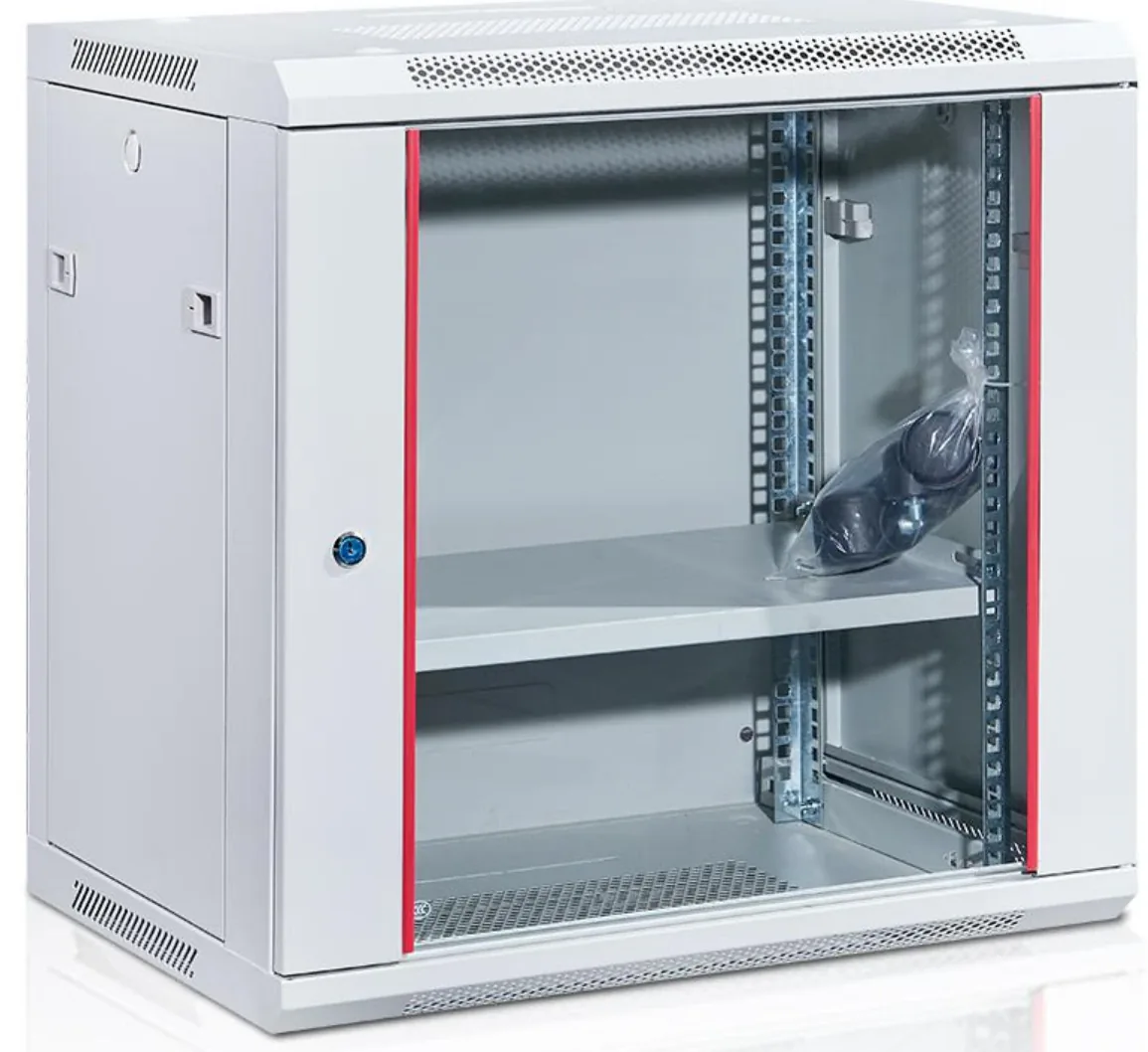
 JZ-WM Series 12U Wall-Mount Cabinet A compact lockable enclosure for floor and edge distribution. View details
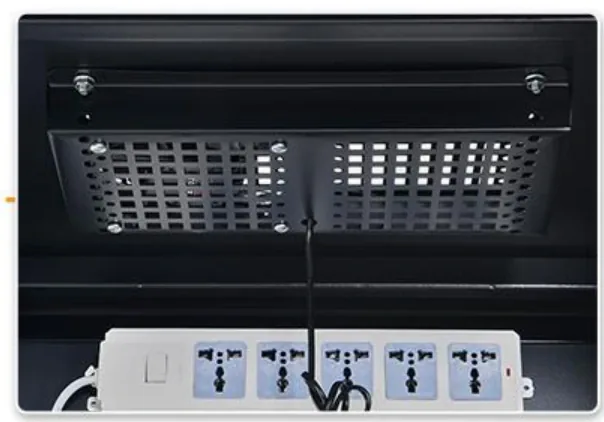 JZ-PDU Series Rack Power Distribution Unit 1U or 0U power distribution with optional breaker, SPD and metering. View details
Application questions
03 Q&A Which cooling method suits a hot climate?
Can the cabinet be pole-mounted?
Do you supply batteries?
Send us your rack schedule or floor plan
Share cabinet quantities, U heights, power loads and the destination port. Our engineering team will confirm the configuration, drawing and production lead time.
Request a quotation