42U Outdoor Cabinet
Double-wall steel enclosure for edge, telecom and 5G sites.
A 42U outdoor cabinet uses double-wall insulated steel to protect equipment from rain, dust and solar gain. Typical protection is IP55, the cabinet is 600–800 mm wide and 1,200–1,500 mm deep, and cooling can be a fan, heat exchanger or 1–3 kW air conditioner depending on the site temperature and load.
Last reviewed: 2026-11-07
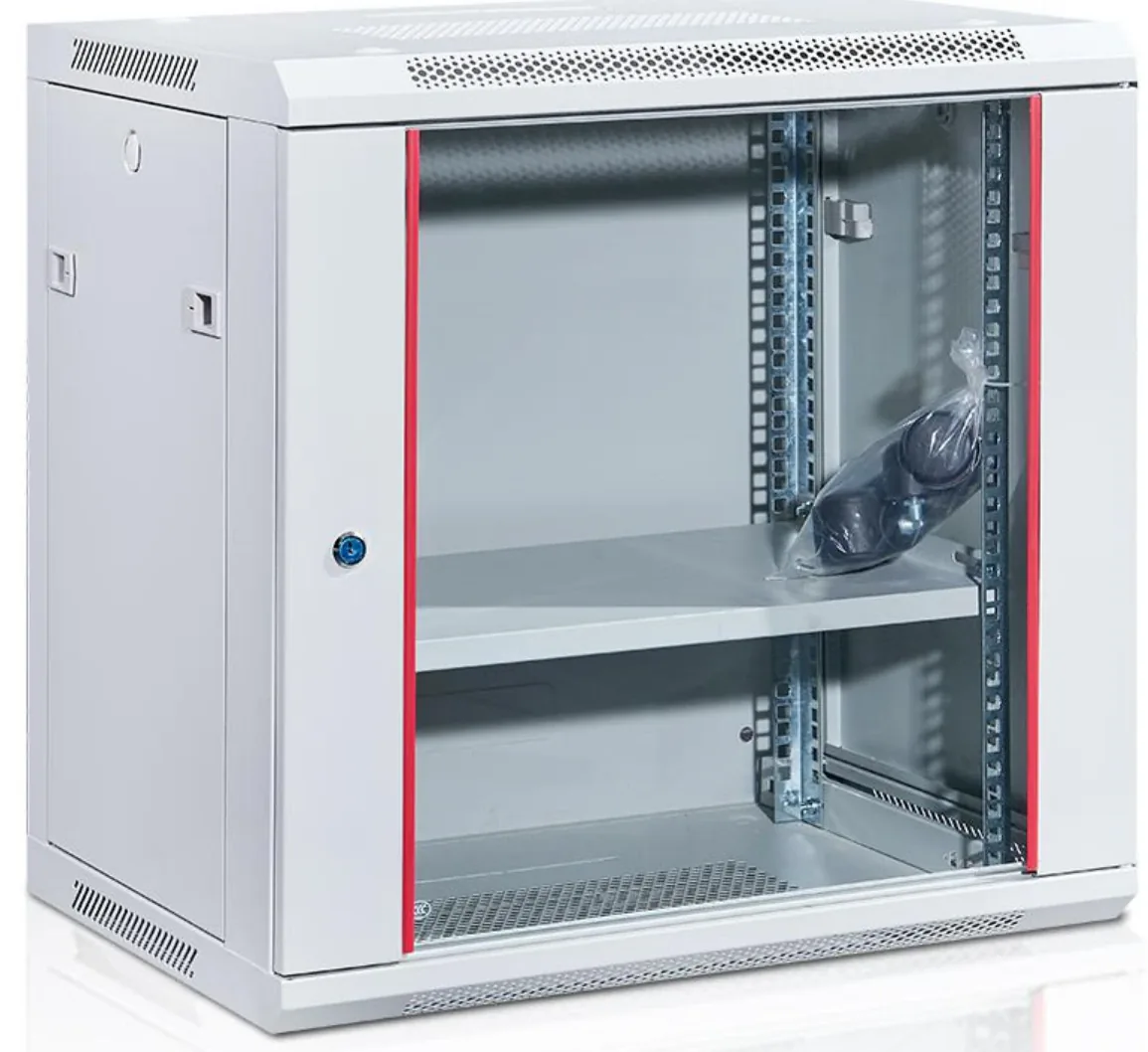
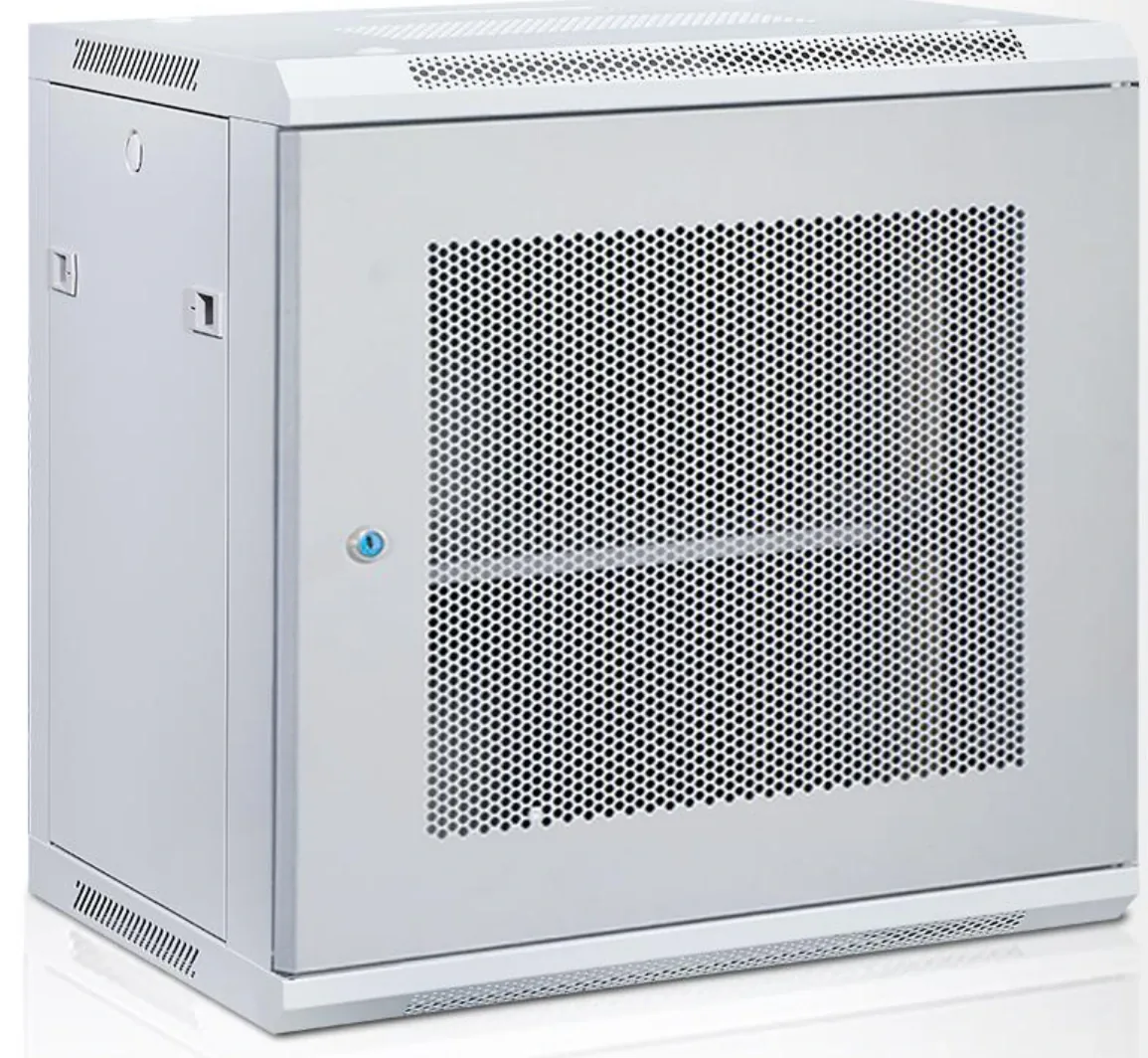
The JZ-OD Series is a double-wall outdoor cabinet with insulation, a rain hood and filtered ventilation. It protects switches, radios and power equipment at exposed sites.
The cabinet can be configured with fan cooling, a heat exchanger or a cabinet air conditioner. Battery compartments, 19-inch profiles and cable entries are project-specific.
- Double-wall steel with insulation
- Rain hood and filtered vents
- Sealed cable entries
- Fan, heat exchanger or AC cooling
- Plinth, pole or wall mounting
- Outdoor-grade powder coating
Technical specifications
| Height | 6U – 42U |
|---|---|
| Construction | Double-wall steel with insulation |
| Doors | Front and rear access |
| Cooling | Fan, heat exchanger or air conditioner |
| Mounting | Plinth, pole or wall |
| Finish | Outdoor-grade powder coating |
Typical applications
- 01 5G and telecom edge sites
- 02 Roadside and utility cabinets
- 03 Industrial yards and ports
Where an outdoor cabinet is used
An outdoor cabinet is used at 5G, telecom, roadside, railway, utility and industrial sites where there is no equipment room. It protects switches, routers, optical equipment, power systems and batteries from rain, dust, sun and temperature extremes.
The cabinet can be mounted on a concrete plinth, a pole or a wall. Front and rear access let technicians service the equipment without removing the cabinet from the site.
Construction and ingress protection
The cabinet uses a double-wall steel construction with thermal insulation between the walls. The outer wall is powder-coated for outdoor use; the inner wall protects the equipment. The door seals use EPDM or silicone gaskets, and the cable entries use gland plates or sealed connectors.
IP55 protects against dust ingress and water jets from any direction. For coastal, desert or heavily polluted sites, specify a higher corrosion class, a sun shield and a larger maintenance interval. Confirm the IP rating, the salt-spray test and the paint system for the destination.
Cooling and power
Cooling options include a filtered fan, a heat exchanger and a closed-loop air conditioner. A fan is the lowest-cost option but brings dust into the cabinet; a heat exchanger keeps the enclosure sealed; an air conditioner is used when the outside temperature is higher than the equipment intake target.
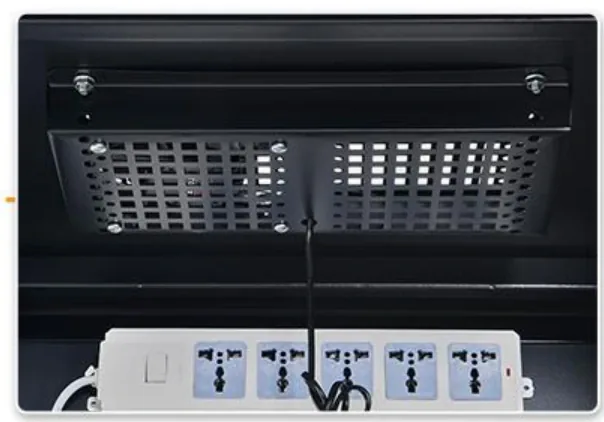
Cooling capacity is typically 300 W to 3 kW, depending on the equipment load and the site climate. The cabinet usually includes a power distribution unit, a thermostat, a door alarm and an optional battery compartment. For 5G sites, the RRU and baseband equipment may be mounted in a separate compartment.
Installation, grounding and security
Install the cabinet on a level concrete plinth or a galvanized steel frame. Leave at least 800 mm in front and 600 mm at the rear for door opening and service. Connect the cabinet to the site earth bar and install a surge protective device on the power and signal lines.
Use a three-point lock, a tamper alarm and a padlockable handle for security. For remote sites, add a door sensor and a temperature/humidity sensor to the monitoring system. Keep the cabinet keys in a controlled access system.
Options and delivery
Options include a battery compartment, a sun shield, a cable gland plate, a heater, an LED light, a door alarm and a pole-mounting kit. The cabinet ships in a wooden crate with edge protection. Typical lead time is 20 to 30 working days after drawing approval, with 1 unit as the minimum order.
42U outdoor cabinet reference specifications
| Item | Typical value | Notes |
|---|---|---|
| Height | 42U | 6U–42U range |
| Width | 600 mm / 800 mm | By equipment |
| Depth | 1,200 mm / 1,500 mm | By cooling |
| Construction | Double-wall steel | Insulated |
| Ingress protection | IP55 | IP65 optional |
| Doors | Front and rear | Three-point lock |
| Cooling | Fan / heat exchanger / AC | 300 W–3 kW |
| Finish | Outdoor powder coating | Salt-spray option |
| Mounting | Plinth / pole / wall | By site |
| Cable entry | Gland plate | Sealed |
| Operating temperature | -40 to 55 °C | With cooling |
| Packaging | Wooden crate | Seaworthy |
Configuration options
| Option | Choices | Typical use |
|---|---|---|
| Cooling | Fan / heat exchanger / AC | Climate and load |
| Battery bay | Yes / no | Backup power |
| Sun shield | Yes / no | Hot sites |
| Heater | Yes / no | Cold sites |
| Door alarm | Yes / no | Remote sites |
| Pole mount | Yes / no | No plinth |
| IP rating | IP55 / IP65 | Dust and water |
| Paint | Standard / C5-M | Coastal sites |
Packing and delivery reference
| Item | Typical value | Notes |
|---|---|---|
| Packing | Wooden crate | Seaworthy |
| Added dimensions | 100–150 mm per side | By model |
| Added weight | 100–250 kg | Including crate |
| Container quantity | 6–15 units per 40HQ | By height |
| Lead time | 20–30 working days | After drawing approval |
| Minimum order | 1 unit | Mixed models accepted |
Questions buyers ask
07 Q&A What protection rating can be supplied?
Can the cabinet operate in high ambient temperature?
What IP rating does an outdoor cabinet need?
How is an outdoor cabinet cooled?
Can an outdoor cabinet hold batteries?
What is the difference between IP55 and IP65?
What is the lead time for an outdoor cabinet?
Related products
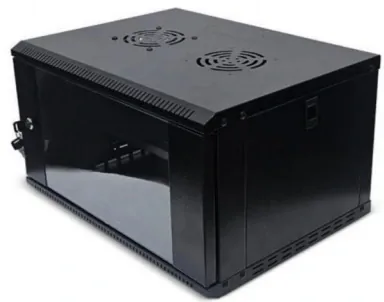 JZ-WM Series 12U Wall-Mount Cabinet A compact lockable enclosure for floor and edge distribution. View details
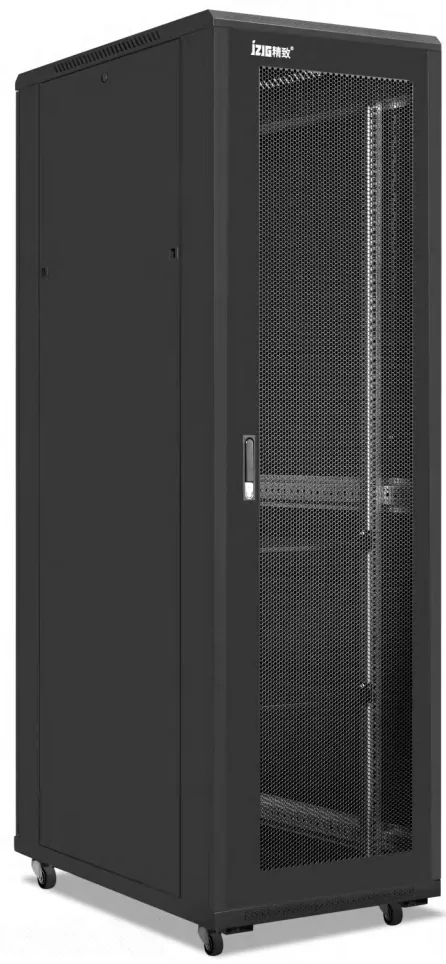 JZ-NC Series 42U Network Cabinet A 600 × 800 mm floor cabinet for switches, patching and small servers. View details
 JZ-PDU Series Rack Power Distribution Unit 1U or 0U power distribution with optional breaker, SPD and metering. View details
Need this configured for your project?
Send the rack elevation, power load and quantity. We will confirm dimensions, outlet types and lead time.
Get a Quote