Server Cabinet vs Server Rack — Which Enclosure Do You Need?
The practical difference between an open server rack and a closed server cabinet, and when each is the better choice.
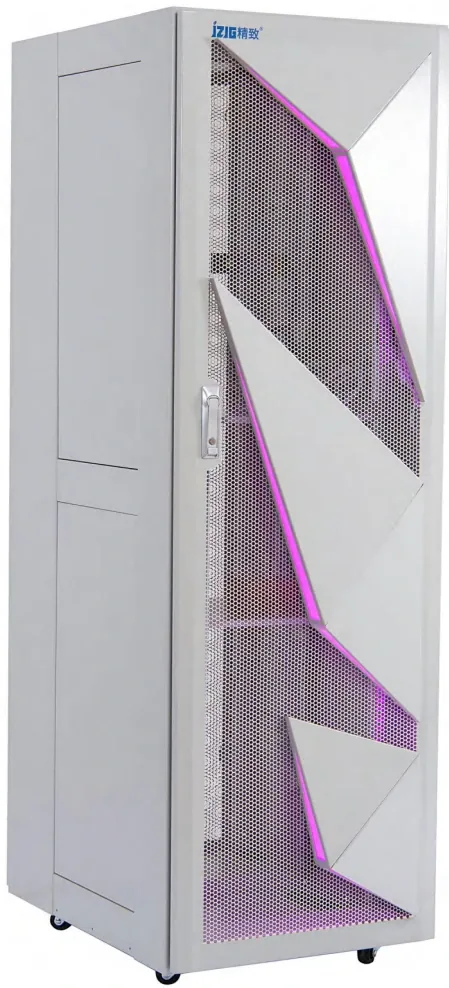
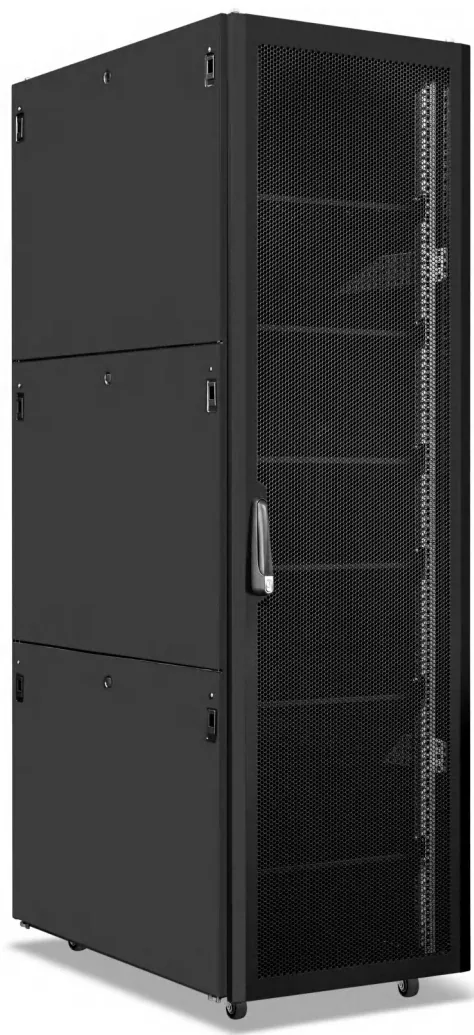
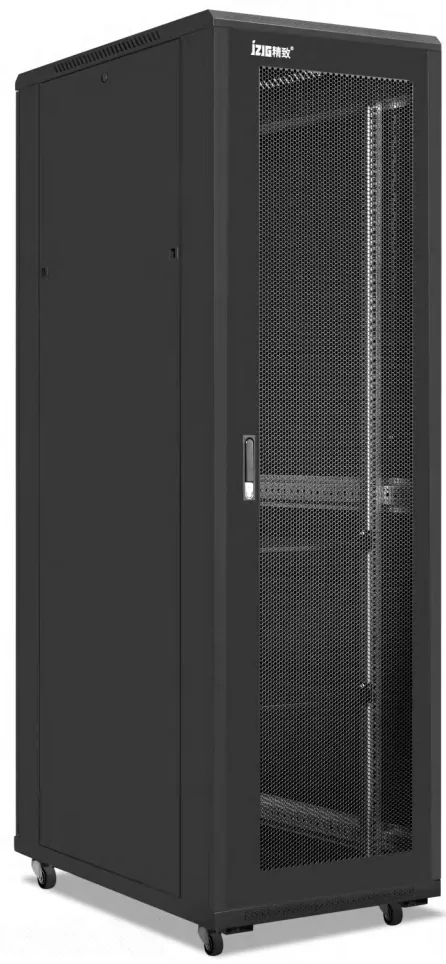
A server cabinet is a closed 19-inch enclosure for servers and storage. Common sizes are 22U to 47U, 600/800 mm wide and 1,000/1,200 mm deep, with 800–1,000 kg static load, mesh doors and brush cable entries.
Last reviewed: 2026-11-07
The words are often used interchangeably, but the enclosure changes security, airflow and service access. A closed cabinet is the default for shared data rooms; an open frame is common in locked telecom rooms or staging areas.
Choose the cabinet when equipment needs locking, dust protection or a defined front-to-rear air path. Choose the open frame when cost, weight and access speed matter more.
Best for
- Shared data rooms and multi-tenant sites
- Projects requiring lockable equipment
- Dust-sensitive or airflow-sensitive rooms
Key specifications
Cabinet vs open rack
| Feature | Server cabinet | Open frame rack |
|---|---|---|
| Enclosure | Doors and side panels | Open frame |
| Security | Lockable | Limited |
| Airflow | Controlled front-to-rear | Room-dependent |
| Access | Door opening | Direct access |
How to choose
Check security
If the room is shared or publicly accessible, a lockable cabinet is the safer choice.
Check airflow
A closed cabinet needs a defined front-to-rear path and blanking panels.
Check access
Open frames are faster to service; cabinets need door clearance.
Frequently asked questions
03 Q&A Is a server cabinet better than a server rack?
Can an open rack be converted to a cabinet?
Which one is better for a small office?
Related pages
Send us your rack schedule or floor plan
Share cabinet quantities, U heights, power loads and the destination port. Our engineering team will confirm the configuration, drawing and production lead time.
Request a quotation