Modular Operator Console
Steel-framed consoles for control rooms and command centers.
A modular operator console is built from steel frames, HPL or melamine work surfaces and adjustable feet, in straight, curved or custom layouts. Typical desk height is 720–750 mm, single-operator width is 1,400–1,800 mm, and each position can carry 2–4 monitors plus a CPU holder and cable tray.
Last reviewed: 2026-11-07
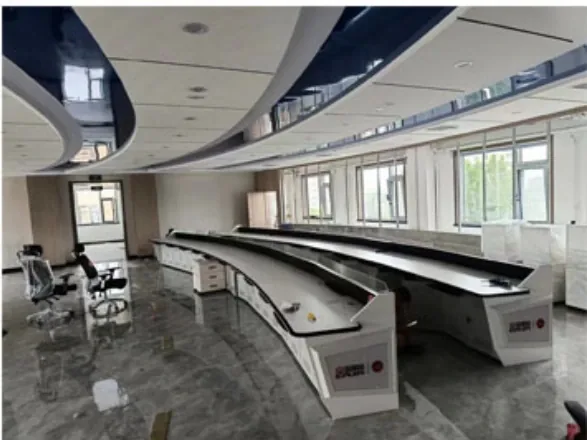
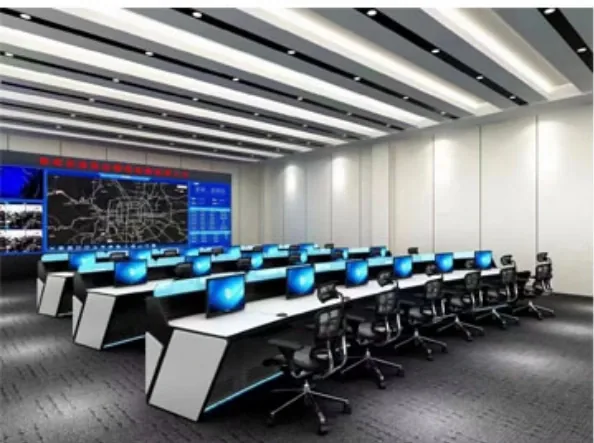
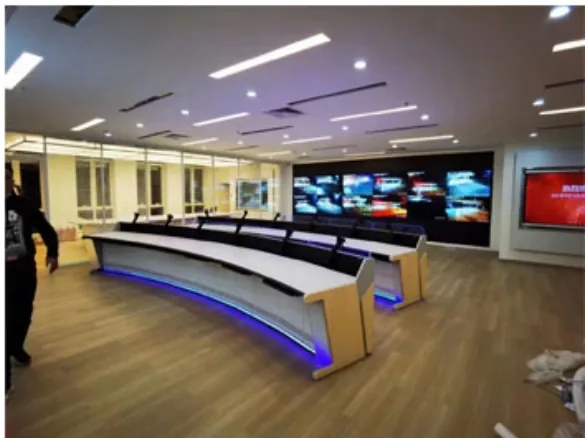
The JZ-CC Series is a modular console system for control rooms, security centers and command halls. Steel frames carry the work surface, monitor arms and cable trays; modules can be combined into straight or curved layouts.
Work surfaces are high-pressure laminate or melamine. Monitor arms, CPU holders, drawers and power outlets are selected per workstation.
- Steel frame with adjustable feet
- Straight or curved modular layout
- Articulated monitor arms
- Vertical and horizontal cable trays
- Optional power outlets and CPU holders
- Wipe-clean work surface
Technical specifications
| Layout | Straight, curved or custom |
|---|---|
| Frame | Steel, adjustable feet |
| Work surface | HPL or melamine |
| Monitor support | Articulated arms or fixed brackets |
| Cable management | Vertical and horizontal trays |
| Options | Outlets, CPU holders, drawers |
Typical applications
- 01 Security and surveillance centers
- 02 Utility and transport control rooms
- 03 Command and briefing halls
What a modular console is for
A modular operator console is the furniture and cable infrastructure for control rooms, command centers, security operations, traffic management and industrial process control. It supports monitors, keyboards, CPUs, communication equipment and operator comfort over long shifts.
The modular design allows straight rows, curved rows and custom shapes. Consoles can be joined end-to-end, and each position can be configured with different monitor arms, drawers and equipment shelves.
Dimensions, ergonomics and layout
Typical work surface height is 720 mm to 750 mm, with a depth of 800 mm to 1,000 mm. A single operator position is usually 1,400 mm to 1,800 mm wide, enough for two to four monitors and a keyboard. Corner and curved modules keep the operator within reach of all screens.
Choose a curved layout for a small control room with a shared video wall, and a straight layout for a row of independent positions. Leave at least 1,200 mm behind the console for chair movement and service access.
Frame, surfaces and cable management
The frame is welded steel with adjustable feet and removable panels. The work surface is high-pressure laminate (HPL) or melamine, with a matching edge band. HPL is more durable and scratch-resistant; melamine is a lower-cost option for light use.
Cable management includes vertical risers, horizontal trays, CPU holders, power strips and monitor arms. Cables should be routed inside the console and through the floor or wall, not across the work surface. Label power and data cables separately.
Options and delivery
Options include monitor arms, CPU holders, keyboard drawers, equipment shelves, power outlets, USB charging, LED lighting and acoustic panels. Custom colors and logos can be applied to the front panels.
Consoles ship flat-packed or partially assembled in wooden crates. Typical lead time is 20 to 30 working days after drawing approval, with 1 set as the minimum order. Site assembly usually takes 1 to 3 days for a small control room.
Modular operator console reference specifications
| Item | Typical value | Notes |
|---|---|---|
| Layout | Straight / curved / custom | By room |
| Work surface height | 720–750 mm | Ergonomic |
| Work surface depth | 800–1,000 mm | Monitor and keyboard |
| Position width | 1,400–1,800 mm | Single operator |
| Frame | Welded steel | Adjustable feet |
| Work surface | HPL / melamine | Scratch resistance |
| Monitor capacity | 2–4 per position | Arms or stands |
| Cable management | Vertical + horizontal | Inside console |
| Power | Power strip / outlets | By project |
| Finish | Powder coating | Custom colors |
| Packaging | Wooden crate | Flat-pack or assembled |
| Lead time | 20–30 working days | After drawing approval |
Configuration options
| Option | Choices | Typical use |
|---|---|---|
| Layout | Straight / curved / L | Room shape |
| Surface | HPL / melamine | Budget |
| Monitor arm | Single / dual / quad | Screen count |
| CPU holder | Under desk / side | Space |
| Drawer | Keyboard / storage | Ergonomics |
| Lighting | LED strip | Night shifts |
| Acoustic panel | Yes / no | Noise control |
| Power | 4–8 outlets | Equipment |
Packing and delivery reference
| Item | Typical value | Notes |
|---|---|---|
| Packing | Wooden crate | Flat-pack |
| Added dimensions | 100 mm per side | By module |
| Added weight | 80–200 kg | By length |
| Container quantity | 6–12 sets per 40HQ | By layout |
| Lead time | 20–30 working days | After drawing approval |
| Installation | 1–3 days | Small control room |
Questions buyers ask
07 Q&A Can the console follow a curved wall?
How are monitors mounted?
What is the standard height of an operator console?
How wide should one operator position be?
What is the difference between HPL and melamine?
Can the console be curved or made to measure?
What is the lead time for a modular console?
Related products
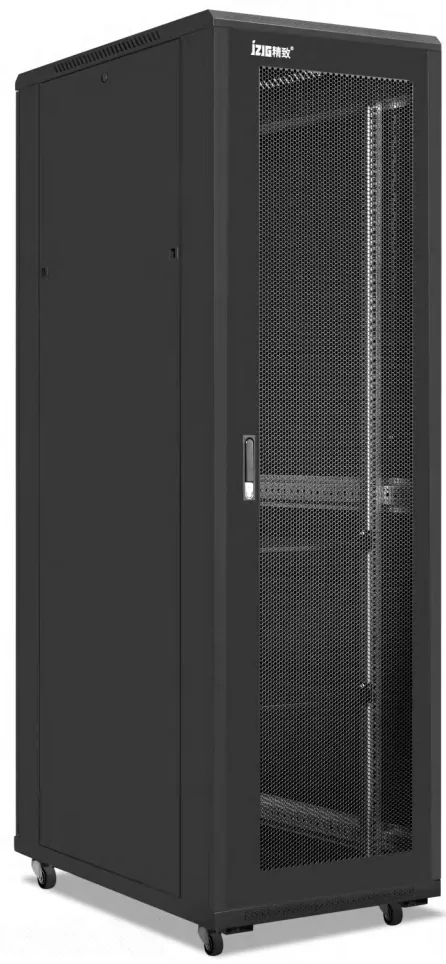 JZ-NC Series 42U Network Cabinet A 600 × 800 mm floor cabinet for switches, patching and small servers. View details
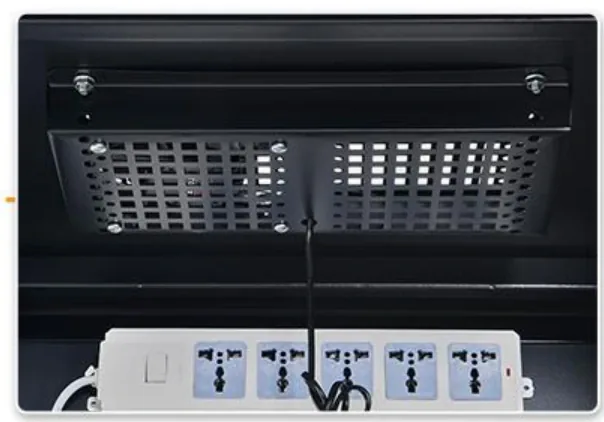 JZ-PDU Series Rack Power Distribution Unit 1U or 0U power distribution with optional breaker, SPD and metering. View details
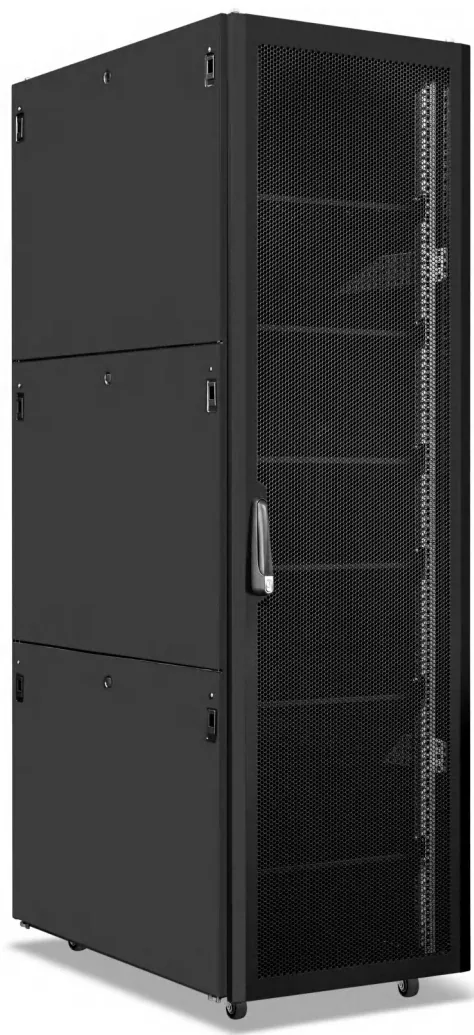 JZ-SC Series 42U Server Cabinet A 1200 mm deep, high-load frame for rack servers and GPU nodes. View details
Need this configured for your project?
Send the rack elevation, power load and quantity. We will confirm dimensions, outlet types and lead time.
Get a Quote